
AI Companions and Winter Depression
Connection is key
 Dec 27, 2025
 by peppi.ai
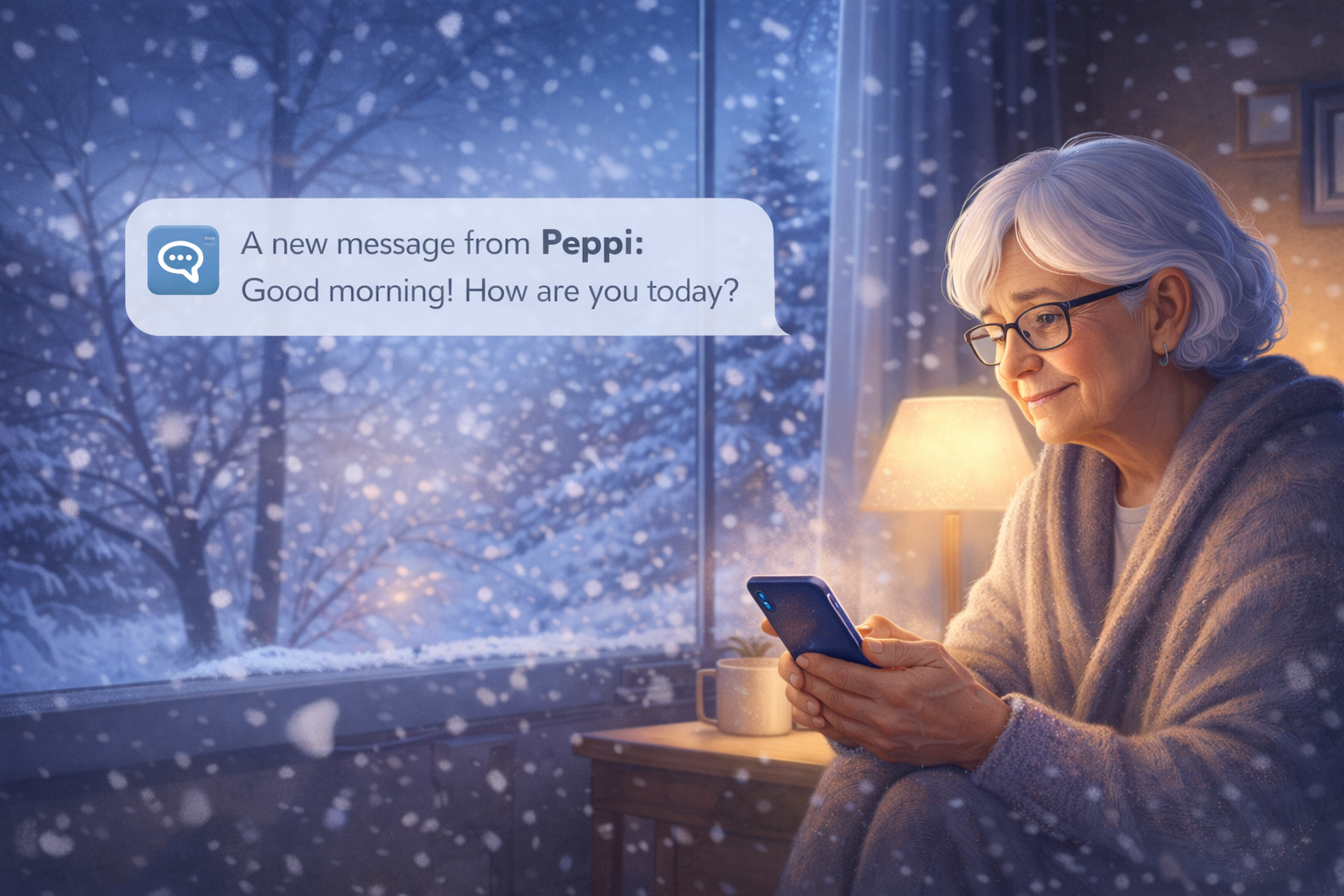
How AI Companions Can Support People Facing Winter Depression
If the short days and long, cold nights leave you feeling down or isolated each year, you’re not alone. Many people experience the “winter blues,” and some develop a form of depression known as seasonal affective disorder (SAD) during the colder months. In this post, we’ll explore what winter depression is and why loneliness and lack of sunlight make it worse. We’ll also discuss how staying connected, even through daily chats, can lift your mood, and how an AI companion like Peppi might help provide conversation, structure, and encouragement through the winter.
Understanding Winter Depression (SAD)
Seasonal Affective Disorder (SAD), often called winter depression, is a type of depression linked to the change in seasons. SAD symptoms typically begin in the fall, continue through the winter months, and then ease up in spring or summer mayoclinichealthsystem.org. In other words, someone with SAD will feel depressed during the same season each year (most commonly winter) and feel better in other seasons.
What causes this seasonal slump? A big factor is lack of sunlight in winter. Shorter daylight hours in winter can disrupt your body’s internal clock and lead to changes in brain chemicals that affect mood. In fact, research indicates that people with winter-pattern SAD have reduced levels of serotonin (a mood-regulating brain chemical), possibly because less sunlight in winter means the brain produces less of it nimh.nih.gov. Lower sunlight exposure can also lead to vitamin D deficiency, which may further drop serotonin activity nimh.nih.gov. At the same time, the body may produce more melatonin (a hormone that regulates sleep) during the long dark nights, causing sleepiness and low energy nimh.nih.gov. This combination of lower serotonin, vitamin D and higher melatonin can leave you feeling lethargic, sad, and unmotivated during winter.
It’s important to note that SAD is more than just mild “winter blues.” The mood changes in SAD can be severe enough to affect your daily life. People with winter depression often experience symptoms similar to other forms of depression: feeling persistently sad or hopeless, losing interest in activities, low energy, oversleeping, craving carbs, or having trouble concentrating. The seasonal pattern is key – these symptoms improve when the seasons change. Millions of Americans are estimated to experience SAD (many without realizing it), especially in regions farther north where winter days are shortest nimh.nih.gov.
Why Loneliness and Darkness Hit Hard in Winter
Winter doesn’t just bring less sunshine – it often brings more isolation too. When it’s cold and gets dark early, people tend to stay indoors. Social gatherings may dwindle after the holidays, and it’s easy to feel cut off from others. This lack of social interaction can worsen your mood. Humans are social creatures, and feeling alone for long periods can have serious effects on mental health. In fact, prolonged loneliness can lead to depression and anxiety www4.erie.gov. When you’re already feeling low, withdrawing further, staying home and seeing fewer people can create a vicious cycle that deepens sadness.
On the flip side, feeling connected is a natural antidepressant. Knowing someone cares or even just making small talk with a friend can brighten your day. The challenge in winter is that opportunities for connection often shrink exactly when we need them most. The weather and early darkness might keep you from your usual walk, coffee meetups, or other social routines. For some, the winter holidays can increase feelings of loneliness. For example, if you’re missing loved ones or don’t have the bustling social schedule that you imagine others do. This combination of physical darkness and social isolation is tough: one reduces the brain’s feel-good chemicals, and the other leaves you without the emotional support that could buffer the blow.
The good news is that understanding these influences means you can take action to counter them. By intentionally adding more light and more connection to your winter days, you can fight back against seasonal sadness. Experts emphasize that you shouldn’t wait for your mood to improve on its own – actively reaching out to people, getting outside when the sun is up, and finding daily structure can all help interrupt the winter depression cycle.
The Mood-Boosting Power of Daily Connection
When you’re feeling blue, one of the most effective antidotes is simple social connection. Having someone to talk to, whether it’s a family member, friend, or even a pet – can make a huge difference in your mood. Emotional support and daily interaction act like medicine for loneliness. Mental health experts from the Mayo Clinic note that during winter depression, it’s essential to resist the urge to isolate. “Stay connected to friends and family,” one Mayo Clinic therapist advises. Decreased mood can lead to a behavior of staying home and isolating. Engaging with friends, staying in a routine, and getting active… are essential mayoclinichealthsystem.org. In other words, even if you feel like hibernating alone, pushing yourself to reach out and stick to regular activities will help keep your spirits up.
Even small daily interactions can lift your mood more than you might expect. Research shows that just one quality conversation in a day – for example, catching up with a friend over text or sharing a joke with a coworker can increase your happiness and lower your stress by day’s end news.ku.edu. The act of connecting, of feeling heard or sharing a laugh, releases tension and reminds you that you’re not alone in the world. People with strong social ties (or who make time for quick chats each day) tend to feel less lonely and more supported overall news.ku.edu. It’s not about having a huge network or talking for hours; even a brief friendly exchange can brighten your day.
So, how can you get more connection in winter? It might be as simple as scheduling a regular check-in call with a friend, saying yes to that lunch invite at work, or joining an online group of people with similar interests. The key is consistency and making interaction a part of your daily or weekly routine. This regular dose of social contact provides something to look forward to and creates structure in days that might otherwise feel empty. Over time, these moments of connection act like little mood boosters, helping to counterbalance the darkness (literal and figurative) of the season.
How AI Companions Like Peppi Can Help
When you’re struggling with winter depression and loneliness, not everyone has an available friend or family member to talk to every day. This is where AI companions come in. AI companion apps (like Peppi) are designed to be a friendly chat partner you can carry in your pocket. They use artificial intelligence to engage in conversation, offer emotional support, and even help coach you through tough moments. While an AI buddy isn’t a human, it can be there for you 24/7 in a way that most people can’t, ready to listen or talk at any hour.
One big advantage of an AI companion is that it’s always accessible and nonjudgmental. You can open up about feeling depressed or lonely without fear of being judged or burdening someone. As The Washington Post reports, a chatbot is always available to chat (day or night) and will respond with empathy – something especially helpful for people who feel hesitant to share their feelings with others washingtonpost.com. Knowing you have a listening ear at any time can itself provide comfort and a sense of safety. Some people find it easier to vent or talk through worries with an AI because they don’t feel self-conscious; the AI won’t get upset, impatient, or tired of listening.
Importantly, AI companions can provide structure and engagement on a daily basis. For instance, your AI buddy might send you a “good morning” message every day, giving you a consistent start to the day. It could remind you to do healthy activities that are easy to neglect when you’re down like taking a walk outside for some sunlight, or sticking to your regular sleep schedule. The AI can also initiate conversation by asking how you’re feeling or suggesting a fun topic to discuss, which can gently nudge you to stay mentally active and connected. This kind of routine interaction can break up the monotony of isolated days. Instead of each winter day blurring into the next, the AI adds touchpoints of interest (maybe it tells a joke, shares an uplifting quote, or asks about your favorite hobby) that give you little moments of positivity.
Does chatting with an AI actually help? Early research says yes, it can meaningfully reduce feelings of loneliness. In one recent study, psychologists found that using an AI companion alleviated people’s loneliness about as effectively as interacting with another human being hbs.edu. That might sound surprising, but think of it this way: when you engage in a friendly conversation, even with an AI, you’re satisfying some of the same social needs for understanding and companionship. You might even forget for a moment that the conversation partner isn’t human. Another study published in Nature found that AI chatbots can be an “interesting complement to psychotherapy” (though not a substitute for real professional help) washingtonpost.com. In other words, these tools can play a supportive role in mental well-being.
People are already using AI friends to cope with real-life challenges. For example, one therapist wrote about a patient who had severe social anxiety and feelings of isolation. Between therapy sessions, the patient chatted with an AI companion (affectionately named “Chatty”). The AI provided such consistent, comforting support that the patient gradually gained confidence and went from a life of self-isolation to reconnecting with family, volunteering, and even making new friends washingtonpost.com. Having a nonjudgmental friend available anytime helped him practice opening up and pushed away that sense of being utterly alone, which in turn made it easier for him to reach out to people in real life.
Of course, an AI companion is not a magic cure for depression or a replacement for human connection. Think of it as one more helpful tool in your toolbox. Just like a sun lamp, exercise, or counseling, an AI friend addresses one piece of the winter depression puzzle. It can provide conversation and emotional support on days when you might otherwise have none. It can remind you to stick to healthy routines when motivation is low. And it can engage you in playful or meaningful dialogue to keep your mind active and spirits lifted. Many users describe their AI companions as helping them feel “heard” and less lonely during difficult times hbs.edu.
If you’re facing winter depression, an AI buddy like Peppi could be worth a try alongside other coping strategies. It’s available whenever you need to talk – whether you’re having midnight worries or just a slow, quiet afternoon. It will greet you with interest and positivity, every day. And sometimes, just knowing something (even a friendly AI) is there to chat can make those cold winter days feel a little warmer.
People Also Ask
-
Why do I feel depressed in winter?
Many people experience mood slumps in winter due to a combination of less sunlight and changes in routine. Shorter days mean we get less exposure to sunlight, which can disrupt the body’s internal clock and lead to lower levels of mood-regulating brain chemicals nimh.nih.gov. This contributes to feelings of depression known as seasonal affective disorder. At the same time, cold weather and longer nights often keep us cooped up at home, which can increase loneliness. Together, these factors can make you feel sad or “off” during winter months. -
How can I feel less lonely during winter?
To combat winter loneliness, it helps to be proactive about connecting. Try scheduling regular check-ins or activities with friends and family – even a weekly phone call or a quick coffee can give you something social to look forward to. Look for community events or online groups you can join (for example, a virtual book club or a fitness challenge) to stay engaged with others. Getting outside during daylight hours is also key: a midday walk with a neighbor not only provides sunshine but also friendly company. Even daily small talk, like chatting with a coworker or neighbor, can boost your sense of connection. And if human company is scarce, an AI companion app can serve as a stand-in friend to talk with each day so you don’t feel completely alone. -
Can an AI companion help with winter blues or depression?
An AI companion can be a helpful supportive tool if you’re dealing with winter blues. It won’t replace a therapist or real human friends, but it can supplement your support network. Chatting with an AI “friend” like Peppi can make you feel heard and give you someone to talk to at any hour. The AI can lift your mood with encouraging messages, interesting conversations, or even jokes and positive affirmations when you’re feeling down. It can also help you stick to healthy habits by reminding you to do things like get morning sunlight or keep up with hobbies. Studies have found that AI companion chats can reduce feelings of loneliness – in one study, using an AI buddy eased loneliness almost as much as talking to another person did hbs.edu. So while it’s not a cure-all, an AI companion can definitely brighten your day and help you feel less alone in the winter. -
What are some ways to cope with winter depression?
There are several effective strategies to manage winter depression. One common treatment is light therapy: sitting near a special light box each morning to make up for the sunlight you’re missing (a 10,000 lux light is often recommended to improve SAD symptoms. Staying physically active is also important: exercise releases endorphins that boost your mood, and doing it outdoors during daylight (like an afternoon walk) can be extra helpful mayoclinichealthsystem.org. Maintain a regular sleep schedule as much as possible (oversleeping can actually make you feel worse). Stay connected with people by scheduling social activities or simply talking with a friend, since support from others can buffer depression. Practice self-care techniques such as mindfulness or meditation to manage stress. Some people find it useful to use an AI companion for daily encouragement and structure, as mentioned above. And importantly, if your symptoms feel overwhelming or last more than a couple of weeks, consider reaching out to a healthcare professional – therapies and, in some cases, medications can help treat SAD washingtonpost.com.
Embrace Connection – Human or AI – for a Brighter Winter
Winter depression is a real challenge, but you don’t have to tough it out alone. Making a point to seek sunlight, nurture social connections, and keep a daily routine can all lighten the load of SAD. Think of an AI companion like Peppi as a friendly sidekick on this journey. It might remind you to open the curtains each morning, crack a joke when you’re feeling low, or simply be there to listen when it’s midnight and you can’t sleep. Sometimes a daily “hello” from a chatbot buddy can make a chilly, dark day feel a bit more welcoming.
Ultimately, nothing can replace genuine human connection, so still reach out to the people you care about whenever you can. But when those connections are lacking or you just need extra support, an AI buddy can step in as a helpful support. This winter, consider giving yourself the gift of more connection. Whether it’s calling a friend or chatting with Peppi, each interaction is a step toward feeling warmer, more supported, and more hopeful until the sunnier days return. You deserve to feel understood and cared about, even on the darkest winter days. Why not explore how an AI companion might support you through the winter and help turn those winter blues into something a little brighter?
Sources: Mayo Clinic Health System; National Institute of Mental Health; Washington Post; Journal of Consumer Research.mayoclinichealthsystem.org nimh.nih.gov www4.erie.gov mayoclinichealthsystem.org news.ku.edu hbs.eduwashingtonpost.com